
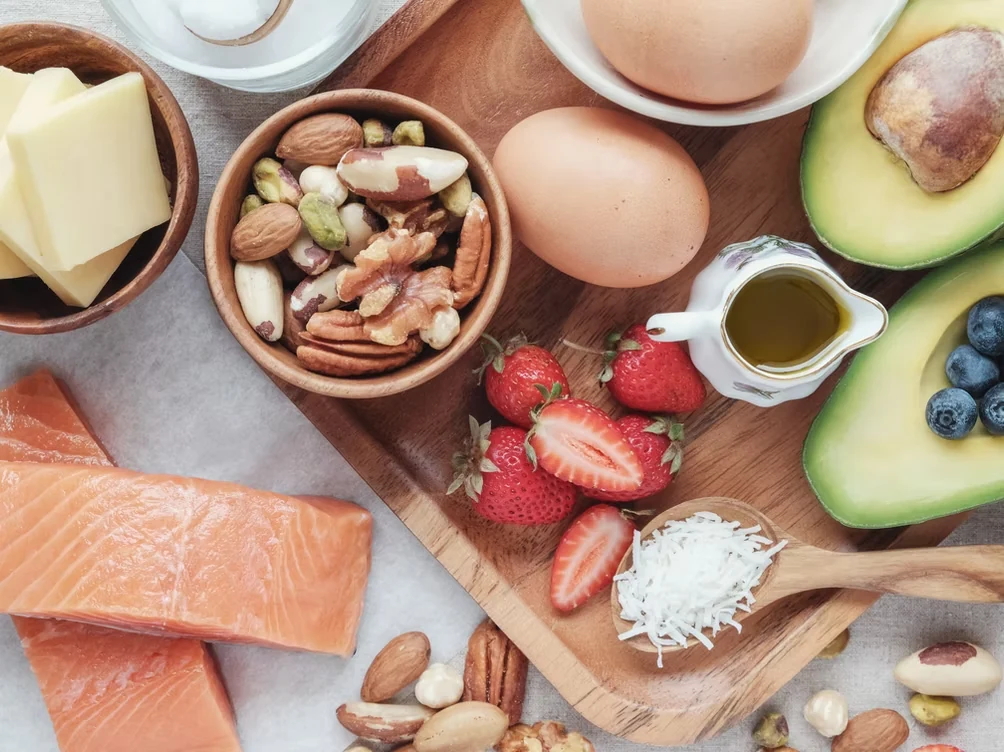
When people hear “balanced diet,” they sometimes picture a perfectly portioned plate at every meal. That is not what I mean. Balance is the pattern you build over time, and it has to leave room for your schedule, preferences, culture, budget, and the foods you simply enjoy.
Start with three building blocks
Most meals become more satisfying when they include a source of carbohydrate, protein, and fat. These nutrients do different jobs, and they work well together.
- Protein supports repair and maintenance and can help a meal feel satisfying.
- Carbohydrates are a primary source of energy. Fruit, vegetables, beans, and whole grains also bring fiber and a wide range of nutrients.
- Fats support hormones, cells, organs, and nutrient absorption—and they add flavor and staying power.
Add color and variety
No single food has everything your body needs. Variety is one of the simplest ways to cover more nutritional ground. Try rotating fruits, vegetables, grains, proteins, and fats instead of relying on a short list of “perfect” foods.
This does not require a complicated recipe. A turkey sandwich with fruit, a bean-and-cheese taco with salsa, or leftover chicken with rice and frozen vegetables can all be balanced meals.
Make it fit the week you actually have
A nutritious plan that only works on your calmest day is not a useful plan. Keep quick foods around. Use frozen and canned produce. Plan for leftovers. Let some meals be simple.
I often compare food to fuel, but we are not machines. Food is also connection, tradition, comfort, and pleasure. A healthy pattern has room for all of that.
Consistency matters more than perfection
Choose one meal that tends to feel rushed and add one helpful piece: a protein at breakfast, a vegetable at dinner, or a snack that includes two food groups. Small changes you can repeat are much more useful than a total overhaul you cannot maintain.
If you want help turning general advice into meals that work for your health and your household, that is exactly the kind of problem we can solve together.
Sources and further reading
General education only. This article does not replace individualized medical advice, diagnosis, or treatment.